
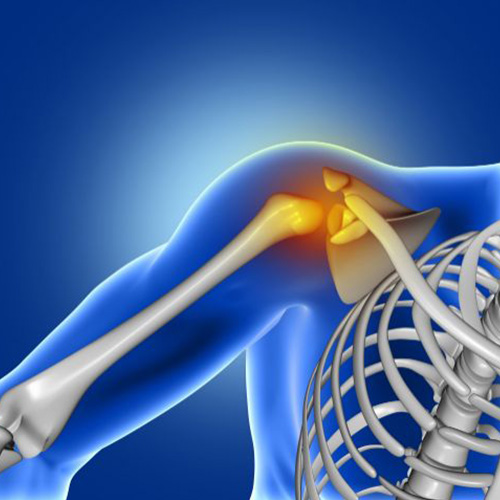
Frozen shoulder has a way of creeping up on you. It starts as an ache you can't quite explain, and over weeks the shoulder simply stops cooperating — you reach for a back pocket or try to put on a jacket and the arm won't go. If this is you, take some reassurance: frozen shoulder is one of the most treatable shoulder conditions I see, and it very rarely needs surgery. This is a companion to our main shoulder pain guide, focused entirely on this one condition.
Frozen shoulder (adhesive capsulitis) is a condition where the shoulder capsule becomes inflamed, thickened and tight, causing progressive pain and stiffness. It's treated most effectively — and faster — with ultrasound-guided hydrodilatation (stretching the capsule with fluid), a suprascapular nerve block for pain relief, and structured physiotherapy. Surgery is rarely needed.
What Is a Frozen Shoulder?
Your shoulder joint is wrapped in a flexible sleeve of tissue called the capsule. In frozen shoulder, this capsule becomes inflamed and then thickens and contracts, forming scar-like bands that glue the joint's movement down. In plain terms: imagine the shoulder is wearing a stretchy sleeve that slowly shrinks and stiffens until the arm can barely move inside it. That's why the hallmark of frozen shoulder is loss of movement in every direction — not just when you move it yourself, but even when someone else tries to move it for you.
It most commonly affects people between 40 and 60, is more frequent in women, and is strongly associated with diabetes, thyroid disease, and periods of shoulder immobility (for example after an injury or surgery).
The Three Phases of Frozen Shoulder
Frozen shoulder classically moves through three overlapping stages. Knowing your stage guides treatment.
| Phase | What's happening | What you feel |
|---|---|---|
| 1. Freezing (painful) | Capsule inflames; pain dominates | Increasing pain, especially at night; stiffness beginning |
| 2. Frozen (stiff) | Capsule thickens and contracts | Pain may ease but stiffness is marked; movement very limited |
| 3. Thawing (recovery) | Capsule gradually loosens | Movement slowly returns over months |
Typical symptoms of frozen shoulder
- Progressive stiffness — difficulty reaching overhead, behind your back, or across your body
- Deep, aching pain, often worse at night and when lying on the shoulder
- Trouble with everyday tasks: dressing, fastening a bra, reaching a back pocket, combing hair
- Loss of movement both when you move the arm and when someone moves it for you
Why You Shouldn't Just "Wait It Out"
You may have been told frozen shoulder "gets better on its own eventually." That's partly true — but "eventually" can mean one to three years of pain and limitation, and a meaningful number of people are left with lasting stiffness if the frozen phase is severe. There's no medal for suffering through it. Timely treatment eases the pain sooner and can shorten the whole course considerably, so you get your arm — and your sleep — back faster.
Hydrodilatation: The Key Non-Surgical Treatment
Hydrodilatation (also called hydrodistension) is the treatment that most changes the course of a frozen shoulder, and it's a cornerstone of how we manage it.
In plain terms: the frozen capsule is tight and shrunken, like a balloon that's lost its stretch. In hydrodilatation, using ultrasound to guide the needle precisely into the joint, we slowly inject sterile fluid (usually saline, along with a local anaesthetic and often a small amount of steroid). The fluid gently expands and stretches the tight capsule from the inside, easing the pain and creating room for movement to return. Wondering about recovery afterwards? See our week-by-week guide: What Happens After Hydrodilatation?
1. Ultrasound targeting
The joint is located precisely with ultrasound, and the skin is numbed. You're awake and comfortable throughout.
2. Gentle capsule expansion
Fluid is slowly injected into the capsule, stretching it open. Most patients feel pressure and fullness rather than sharp pain.
3. Same-day discharge
The procedure takes about 20–30 minutes and you go home the same day.
4. Physiotherapy that follows
The pain-free window created by the procedure is used immediately for physiotherapy to rebuild range of movement — this is what makes the gains stick.
Hydrodilatation is done under local anaesthesia; most people describe pressure and fullness rather than pain. It's a day-care procedure of about 20–30 minutes, and you go home the same day. Physiotherapy usually begins within a day or two.
Other Treatments We Combine for Frozen Shoulder
Suprascapular nerve block
The suprascapular nerve carries much of the shoulder's pain. An ultrasound-guided block of this nerve provides substantial pain relief, which in turn lets you engage far better with physiotherapy — pain relief and movement work together.
Physiotherapy and a home programme
Guided stretching and mobility work are essential. We tailor the intensity to your phase — gentle in the painful freezing phase, more assertive stretching once pain is controlled.
Medication and blood-sugar control
Short-term anti-inflammatory medication helps in the painful phase, and if you have diabetes, good glucose control genuinely supports recovery.
Doctor's advice
Don't accept months of pain as inevitable. The combination that works best is hydrodilatation to open the capsule, a nerve block to control pain, and physiotherapy to lock in the movement — all under ultrasound guidance and to an international standard. Start early, stay consistent with your exercises, and most frozen shoulders recover well without ever needing surgery.

Key takeaways
- Frozen shoulder is inflammation, thickening and tightening of the shoulder capsule causing progressive stiffness.
- It moves through freezing, frozen and thawing phases and is common in the 40–60 age group and in diabetes.
- Ultrasound-guided hydrodilatation stretches the capsule and is the key non-surgical treatment.
- Combined with a nerve block and physiotherapy, it can shorten recovery significantly.
- Surgery is rarely needed; early treatment gives the best results.
Summary
Frozen shoulder is painful and limiting, but it is highly treatable and almost never needs surgery. The most effective, fastest path to recovery combines ultrasound-guided hydrodilatation to open up the tight capsule, a suprascapular nerve block to control pain, and committed physiotherapy to rebuild movement. Treated early and properly, most people regain a comfortable, freely moving shoulder.
Frequently Asked Questions About Frozen Shoulder
What is the fastest way to treat frozen shoulder?
The fastest recovery usually combines ultrasound-guided hydrodilatation, a suprascapular nerve block for pain, and structured physiotherapy — shortening a process that otherwise lasts many months.
What is hydrodilatation?
An ultrasound-guided procedure that injects fluid into the tight shoulder capsule to stretch and expand it, easing pain and restoring movement. It's minimally invasive and done as day-care.
Is hydrodilatation painful?
It's done under local anaesthesia; most people feel pressure and fullness rather than pain, and go home the same day.
How long does frozen shoulder last?
Untreated it often lasts one to three years. With hydrodilatation, nerve blocks and physiotherapy, recovery can be much faster.
Why is frozen shoulder worse at night?
Lying on or resting the inflamed shoulder increases pain, and the capsule tends to be more painful when still — night pain is a classic feature, especially in the freezing phase.
Is frozen shoulder linked to diabetes?
Yes — diabetes substantially increases the risk and can make it more stubborn. Good blood-sugar control supports recovery, and treatment still works well.
Can frozen shoulder come back?
It usually doesn't recur in the same shoulder, but some people develop it in the other shoulder over time, particularly if they have diabetes.
Should I keep exercising a frozen shoulder?
Yes — guided movement is essential, but the intensity should match your phase. Gentle in the painful freezing phase, firmer stretching once pain is controlled. A physiotherapist should guide you.
Does frozen shoulder need surgery?
Rarely. Most resolve with non-surgical treatment. Surgical capsular release is considered only for the few that stay severely stiff despite thorough treatment.
Where can I get hydrodilatation for frozen shoulder in Delhi?
At PainClinix, Punjabi Bagh, interventional pain specialist Dr. Titiksha Goyal performs ultrasound-guided hydrodilatation and frozen shoulder treatment for patients across West Delhi and Delhi NCR.
Medical disclaimer
This article is for general education and does not replace a personal medical consultation. Frozen shoulder should be diagnosed and treated after individual assessment. Please consult a qualified pain physician before making decisions about your care.