
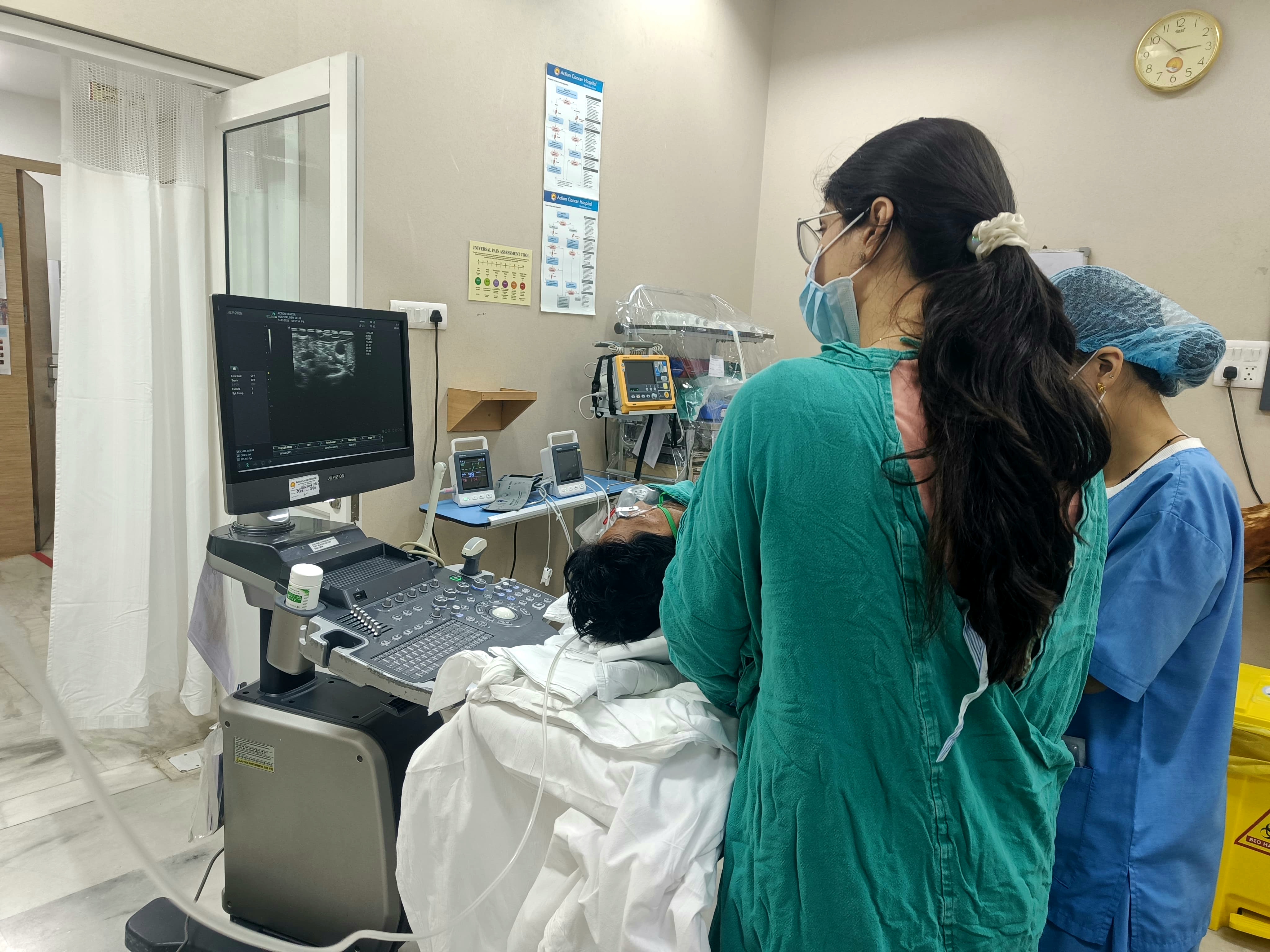
Few treatments are talked about as much — or as misleadingly — as PRP. One clinic promises it will regrow your cartilage; another dismisses it as a waste of money. The truth sits in between, and it depends entirely on your joint, your diagnosis and how the treatment is done. My aim on this page is simple: give you the honest picture of PRP and regenerative medicine, show you the conditions where it genuinely helps, and point you to detailed, no-hype guides so you can decide with your eyes open.
PRP (platelet-rich plasma) concentrates the healing growth factors from your own blood and delivers them, ideally under ultrasound guidance, into a struggling joint or tendon. In the right patient — mild-to-moderate arthritis or a suitable tendon problem — it can meaningfully reduce pain and improve function for several months to a year. In early osteoarthritis, studies suggest it can help protect cartilage and slow its breakdown (with modest improvement in some); it is not a cure, does not work instantly, and cannot rebuild an end-stage, bone-on-bone joint. Quality and patient selection decide the result.
What PRP & Regenerative Medicine Actually Are
PRP stands for platelet-rich plasma. We take a small sample of your own blood, spin it in a centrifuge to concentrate the platelets — the cells that carry a payload of growth factors — and inject that concentrate back into the affected joint or tendon. Because it comes entirely from you, there is no risk of rejection or allergy. Regenerative medicine is the broader family this belongs to: treatments that aim to support the body's own repair environment rather than simply mask pain.
In plain terms: think of platelets as your body's repair crew and growth factors as the supplies they carry. PRP gathers that crew from your blood, concentrates them, and drops them at the site that is struggling. It works on the "soil" — the joint environment — helping protect and support what is still there, which is why it does most for cartilage in early arthritis and little once the joint is bone-on-bone.
Conditions We Treat with PRP & Regenerative Medicine
PRP and regenerative options are used most for:
- Knee osteoarthritis (mild-to-moderate) — see our knee osteoarthritis guide and the knee pain overview.
- Shoulder osteoarthritis — shoulder osteoarthritis treatment.
- Rotator cuff tendinopathy & partial tears — rotator cuff & calcific tendinitis guide.
- Selected tendon and ligament problems, as part of an individualised plan.
Whether PRP suits you depends on an assessment — your diagnosis, the grade of arthritis and your imaging — not on a one-size-fits-all promise.
In this series: PRP & regenerative medicine guides
In-depth, evidence-based reads so you can decide before you spend.
- Is PRP Worth It for Knee Arthritis?The honest answer — what PRP does and doesn't do, who truly benefits, and the questions to ask before you pay.
- How Long Does PRP Last for Knee Arthritis?When it starts working, how long it lasts by arthritis grade, and the factors that make the benefit last longer.
- Are All PRP Injections the Same?Why PRP quality — equipment, platelet counts, leukocyte content and technique — decides your results.
- Does Ultrasound Guidance Matter for Knee Injections?Accuracy, outcomes, safety and cost for PRP, steroid and hyaluronic acid injections.
Honest Expectations — What PRP Does Not Do
Being clear about the limits is part of good medicine. PRP is not a cure for arthritis and cannot rebuild an end-stage, bone-on-bone joint, and it does not work instantly — benefit builds over weeks. What it can do, particularly in early osteoarthritis, is help protect cartilage and slow its breakdown (with modest improvement in some studies), alongside reducing pain and improving function. For end-stage, bone-on-bone joints, severe deformity, or if you expect a cure or instant relief, PRP is usually not worth the money, and I will tell you so honestly. The most important decision is not which injection, but whether an injection is the right choice for your joint at all.
Doctor's advice
Before paying for PRP anywhere, ask three things: is my joint actually suitable, what is the quality and platelet dose of the preparation, and will the injection be ultrasound-guided by the doctor performing it? Good PRP is precise, honest and paired with rehabilitation — not a miracle promised on a poster.

Medical disclaimer
This page is for general education and does not replace a personal medical consultation. Whether PRP or regenerative medicine is appropriate depends on individual assessment, including your diagnosis, arthritis grade and imaging. Treatment responses vary between patients, and the evidence continues to evolve. Please consult a qualified pain physician before making decisions about your care.